
Introduction to Jablje Castle
A hidden Renaissance landmark in Slovenia
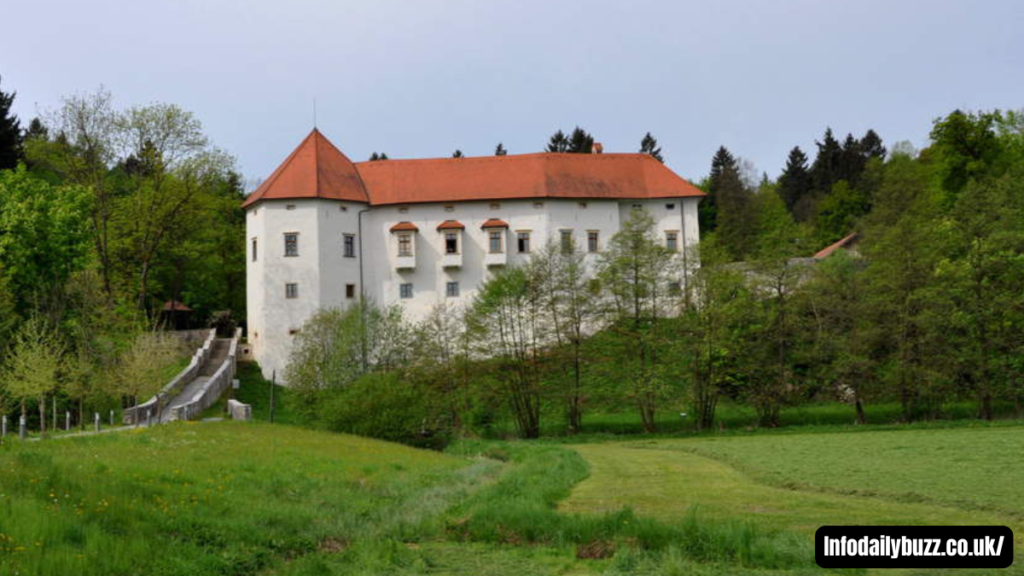
Nestled on the western edge of the Mengeš Plain near Ljubljana lies the elegant and historically rich Jablje Castle. This Renaissance-era estate is one of Slovenia’s lesser-known cultural treasures, often overlooked by mainstream tourism yet deeply significant in the country’s architectural and historical landscape.
What makes Jablje Castle especially fascinating is its blend of refined Renaissance design and centuries of layered history. Surrounded by peaceful countryside, it offers visitors a quiet escape from urban life while revealing stories of nobility, cultural evolution, and artistic heritage.
Why Jablje Castle stands out today
Unlike heavily commercialized European castles, Jablje Castle maintains a more authentic and preserved atmosphere. It reflects centuries of transformation while still preserving its original identity as a noble residence. This balance between preservation and modern use makes it a unique destination for travelers interested in culture and history.
Today, it serves not only as a historical monument but also as a venue for diplomatic events, cultural programs, and educational activities. This dual role keeps the castle alive and relevant in modern Slovenia.
Historical Background of Jablje Castle
Early origins and first records
The origins of Jablje Castle date back to the early 16th century, when it was believed to have been constructed around Renaissance influences spreading through Central Europe. Early records mention it as a noble residence associated with regional landowners, reflecting the feudal structure of the time.
Its strategic location near trade routes and fertile plains made it an important estate for managing agricultural lands and local governance. Over time, it became a symbol of prestige and authority within the region.
Renaissance development and noble ownership
During the Renaissance period, the castle underwent significant architectural and functional transformations. Noble families expanded and enhanced the structure, introducing artistic elements and more comfortable residential spaces.
Ownership changed several times over the centuries, with each family contributing to its development. These transitions helped shape the castle’s layered identity, blending different architectural influences while maintaining its Renaissance foundation.
Restoration and preservation efforts
In modern times, preservation efforts have played a crucial role in maintaining the castle’s structure and cultural value. Restoration projects have carefully protected its historical integrity while adapting it for contemporary use.
These efforts ensure that Jablje Castle remains not just a relic of the past but a living part of Slovenia’s cultural heritage, accessible for educational and diplomatic purposes.
Architectural Design and Structure
Renaissance elegance and exterior design
The architecture of Jablje Castle reflects classic Renaissance symmetry and proportion. Its structured layout, elegant façade, and refined detailing showcase the design principles of harmony and balance that defined the era.
The exterior includes traditional castle elements such as enclosed courtyards and carefully arranged wings, giving it a stately yet inviting appearance. Unlike fortified medieval castles, its design emphasizes residence and aesthetics over military defense.
Interior artistry and decorative elements
Inside the castle, visitors can find beautifully preserved rooms that reflect aristocratic lifestyles. Decorative ceilings, frescoes, and period furnishings highlight the artistic influences of the Renaissance and later Baroque additions.
Each room tells a different story, from ceremonial halls to private chambers used by noble families. These interiors provide insight into daily life within a historical Slovenian estate.
Renovations and structural evolution
Over time, the castle has undergone various renovations that have both preserved and modernized its structure. Careful restoration work has ensured that original architectural features remain intact while supporting contemporary use.
This balance between old and new allows visitors to experience authentic history without compromising safety or functionality.
Cultural and Historical Significance
A symbol of Slovenian heritage
Jablje Castle is more than just an architectural monument; it is a symbol of Slovenia’s cultural identity. It reflects centuries of social, political, and artistic development that shaped the region.
As part of national heritage, it contributes to understanding how noble estates influenced rural life, governance, and cultural expression in historical Slovenia.
A venue for cultural and diplomatic events
Today, the castle plays an active role in cultural diplomacy. It hosts exhibitions, conferences, and official events that bring together international and local communities.
This modern function helps bridge the past and present, ensuring the castle remains relevant in a globalized world while preserving its historical dignity.
Influence on tourism and local identity
Although not as widely known as other European landmarks, Jablje Castle attracts visitors who seek authentic and peaceful historical experiences. It contributes to local tourism by highlighting Slovenia’s lesser-known cultural gems.
For the surrounding community, the castle is a source of pride and identity, reinforcing connections to regional history and tradition.
Location and Surrounding Landscape
Scenic setting near Ljubljana
Jablje Castle is located near Loka pri Mengšu, just a short drive from Slovenia’s capital, Ljubljana. Its position on the edge of the Mengeš Plain gives it sweeping views of the surrounding countryside.
This peaceful environment enhances the castle’s charm, making it an ideal destination for those looking to escape city life and explore rural Slovenia.
Nature, views, and accessibility
The landscape surrounding the castle is characterized by open fields, gentle hills, and green scenery that changes beautifully with the seasons. This natural backdrop complements the castle’s historic architecture.
Accessibility is relatively easy, with road connections from Ljubljana and nearby towns making it suitable for half-day or day trips.
Visiting Jablje Castle Travel Guide
Best time and visitor experience
The best time to visit Jablje Castle is during spring and autumn when the weather is mild and the surrounding nature is at its most vibrant. These seasons offer excellent lighting for photography and comfortable walking conditions.
Visitors often describe the experience as peaceful and educational, with fewer crowds compared to major tourist attractions.
Access, tours, and travel tips
While access to the interior may depend on scheduled events, the exterior and surrounding grounds are often open for exploration. Guided tours, when available, provide deeper insights into the castle’s history and architecture.
Travelers are encouraged to check availability in advance and plan transportation from Ljubljana for convenience.
Photography and exploration advice
The castle is a rewarding location for photography enthusiasts, especially during golden hour when light enhances its architectural details. Wide open landscapes also provide excellent composition opportunities.
Comfortable walking shoes are recommended, as exploring the surrounding grounds is one of the highlights of the visit.
Jablje Castle in Modern Times
A living cultural venue
In the present day, Jablje Castle functions as a cultural and diplomatic venue. It hosts official gatherings, academic events, and artistic exhibitions that reflect Slovenia’s modern identity.
This active use helps maintain the castle’s relevance while ensuring its preservation through continued public engagement.
Preservation and future outlook
Ongoing conservation efforts continue to protect the structure from environmental and time-related damage. These projects are essential in maintaining the castle’s authenticity for future generations.
Looking ahead, Jablje Castle is expected to remain a key cultural site, balancing historical preservation with modern functionality.
Interesting Facts About Jablje Castle
Lesser-known historical insights
One interesting aspect of Jablje Castle is its relatively understated presence in European tourism despite its architectural and historical value. Many visitors discover it by chance while exploring the region.
Another notable fact is its continuous adaptation over centuries, which has allowed it to survive while many similar estates have been lost or heavily altered.
Unique features and stories
The castle is known for its calm and atmospheric environment, often described as timeless by visitors. Its blend of Renaissance structure and later modifications makes it architecturally unique.
Local stories and historical interpretations add depth to its identity, enriching the visitor experience beyond its physical appearance.
Conclusion
Jablje Castle stands as a remarkable example of Slovenia’s Renaissance heritage, combining architectural beauty, historical depth, and modern cultural relevance. Its quiet presence near Ljubljana makes it an ideal destination for travelers seeking authenticity and history.
More than just a preserved building, it represents centuries of transformation and cultural continuity. Whether visited for its architecture, its surroundings, or its role in modern events, Jablje Castle remains a meaningful and memorable landmark.
Frequently Asked Questions
Where is Jablje Castle located?
Jablje Castle is located near Loka pri Mengšu, close to Ljubljana in central Slovenia, surrounded by the scenic Mengeš Plain.
What is the historical importance of Jablje Castle?
The castle reflects Renaissance-era architecture and the noble history of Slovenia, serving as a symbol of regional cultural heritage.
Can visitors explore the interior of the castle?
Access to the interior may depend on scheduled events or guided tours, but the exterior and surroundings are often accessible.
What is Jablje Castle used for today?
Today, it functions as a cultural and diplomatic venue hosting events, exhibitions, and official gatherings.
Why should travelers visit Jablje Castle?
It offers a peaceful, less crowded historical experience with beautiful architecture, scenic landscapes, and deep cultural significance.