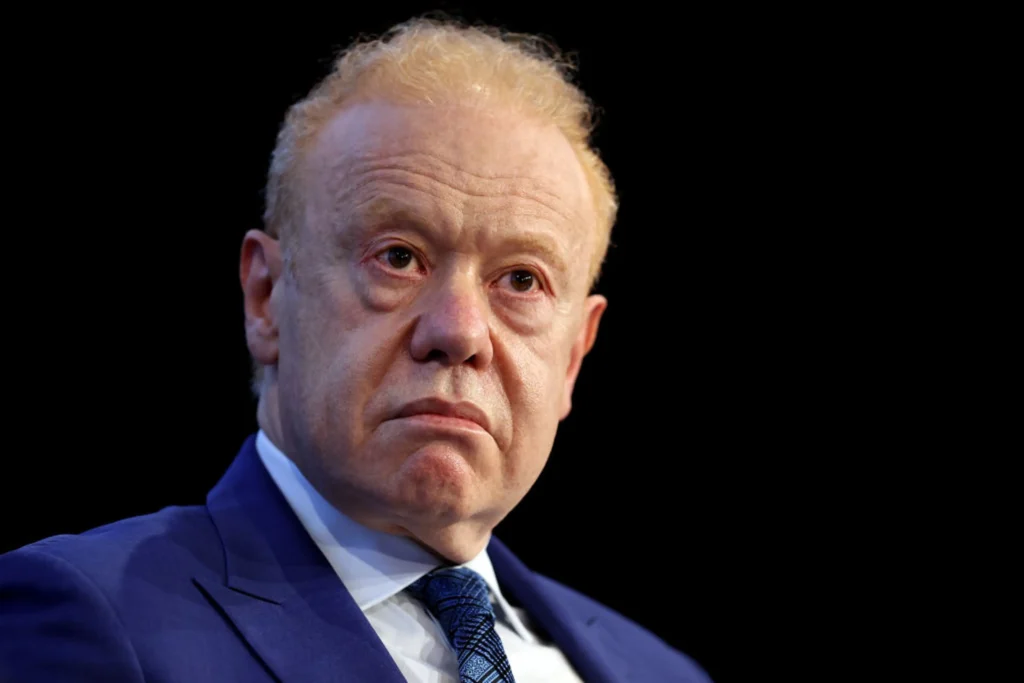

Have you ever wondered how certain business leaders manage to build industries that quietly shape everyday life? While many billionaires stay in the spotlight, others prefer to let their work speak for itself. One name that often appears in discussions about manufacturing, sustainability, and global packaging innovation is Tony Pratt.
Tony Pratt is not just another wealthy entrepreneur. He is widely recognized as one of the most influential figures in the global packaging and recycling industry. From transforming family operations into a multinational powerhouse to pushing eco-friendly manufacturing solutions, his career reflects determination, strategic thinking, and long-term vision.
This article explores the life, career, business philosophy, and legacy of Tony Pratt in detail. Whether you are interested in entrepreneurship, sustainability, manufacturing, or modern corporate leadership, there is plenty to learn from his journey.
Who Is Tony Pratt?
Tony Pratt is an Australian billionaire businessman best known as the executive chairman of the packaging giant Visy Industries. He is also connected with Pratt Industries in the United States. Over the years, he has become one of the leading voices promoting recycling and sustainable manufacturing practices.
Born into a business-oriented family, Tony Pratt inherited more than just a company. He inherited a culture of innovation and expansion. However, inheritance alone does not explain his success. Many family businesses struggle to survive beyond one generation, yet Pratt helped turn the enterprise into an international success story.
What makes Tony Pratt especially interesting is the way he combined traditional manufacturing with modern environmental thinking. Long before sustainability became a global corporate trend, Pratt emphasized recycling and environmentally responsible production methods. That forward-thinking approach helped his businesses stay competitive while also building a positive public image.
Early Life and Family Background
Tony Pratt was born into the influential Pratt family, which had already established itself in Australia’s packaging and paper industries. His father, Richard Pratt, played a major role in shaping the company that would later become a global force. Growing up around business discussions, manufacturing operations, and corporate planning gave Tony a unique education from an early age.
Unlike many children born into wealth, Tony Pratt was exposed to the realities of industrial work and operational management. He witnessed how manufacturing businesses functioned on a daily basis. This practical understanding later became one of his greatest strengths as a business leader.
Education also played a key role in his development. Tony Pratt studied commerce and economics, which gave him a solid understanding of finance, trade, and market behavior. Combining academic knowledge with hands-on business exposure helped him develop the balanced leadership style he is known for today.
The Pratt family itself became one of Australia’s most recognized business dynasties. Their influence stretched far beyond manufacturing. Over time, they became involved in philanthropy, politics, community development, and environmental advocacy. Tony Pratt grew up in an environment where ambition and responsibility were closely connected.
The Rise of Visy Industries
One of the most important chapters in Tony Pratt’s story is the expansion of Visy Industries. The company started as a relatively modest packaging operation but eventually grew into one of the world’s largest privately owned packaging and recycling businesses.
Visy specializes in cardboard packaging, recycling systems, paper manufacturing, and resource recovery. Under Tony Pratt’s leadership, the company expanded its operations throughout Australia, Asia, and the United States. This growth required enormous investment, strong management, and a willingness to adapt to changing market conditions.
What separated Visy from many competitors was its focus on integrating recycling directly into its manufacturing process. Instead of relying heavily on raw materials, the company invested in systems that reused paper and cardboard products. This reduced waste while also lowering long-term costs.
Tony Pratt understood that environmental responsibility could also become a competitive advantage. Consumers and governments increasingly demanded sustainable solutions, and Visy was already positioned to meet those expectations. As environmental awareness grew worldwide, the company’s strategy proved highly successful.
The company also invested heavily in technology and infrastructure. Modern manufacturing plants, efficient logistics systems, and large-scale recycling operations allowed Visy to compete on an international level. These investments demonstrated Tony Pratt’s belief in long-term growth rather than short-term profits.
Tony Pratt and Pratt Industries in America
While Visy established dominance in Australia, Tony Pratt also focused heavily on expanding business operations in the United States through Pratt Industries. This move proved to be one of the smartest decisions of his career.
The American market offered enormous opportunities for packaging and recycling businesses. However, entering such a competitive market was not easy. Pratt Industries had to compete with established corporations while also adapting to different regulations and customer expectations.
Tony Pratt approached the challenge aggressively but strategically. The company invested in advanced recycling facilities and promoted 100 percent recycled paper products. This environmentally focused branding helped Pratt Industries stand out from competitors that relied more heavily on traditional manufacturing methods.
Over time, Pratt Industries became one of America’s leading recycled paper and packaging companies. The business expanded rapidly, opening new facilities across several states. The company’s success demonstrated that sustainable business practices could thrive even in highly competitive industrial markets.
Tony Pratt’s work in America also strengthened his international reputation. He was no longer viewed simply as an Australian businessman managing a family company. Instead, he became recognized as a global industrial leader with expertise in sustainability and manufacturing innovation.
Leadership Style and Business Philosophy
Every successful entrepreneur develops a unique leadership style, and Tony Pratt is no exception. His approach combines long-term planning, operational discipline, and environmental responsibility. Rather than chasing trends, he focuses on building systems that remain profitable for decades.
One major aspect of Pratt’s philosophy is investment in infrastructure. Many businesses avoid large-scale spending because it reduces short-term profits. Tony Pratt often takes the opposite approach. He believes that modern facilities and advanced technology create stronger businesses over time.
Another important part of his leadership style is adaptability. Markets constantly evolve, especially in industries connected to manufacturing and logistics. Pratt recognized early that sustainability would become a defining issue for future business success. By acting before many competitors, he positioned his companies ahead of industry trends.
Employees and industry observers often describe Pratt as energetic and ambitious. He is known for setting large goals and pushing organizations toward continuous improvement. However, he also understands the importance of operational efficiency and careful management.
His leadership reflects a balance between aggressive expansion and calculated decision-making. That combination has allowed his businesses to survive economic downturns, changing regulations, and increasing global competition.
Sustainability and Environmental Commitment
One reason Tony Pratt receives significant attention is his strong commitment to environmental sustainability. While many corporations only recently embraced green policies, Pratt promoted recycling and resource recovery long before sustainability became mainstream.
Packaging industries often face criticism for waste generation and environmental impact. Tony Pratt understood these concerns and responded by building business models centered around recycling. Both Visy and Pratt Industries invested heavily in recovering used paper products and converting them into new packaging materials.
This approach produced multiple benefits. First, it reduced pressure on forests and raw material extraction. Second, it lowered manufacturing costs over time. Third, it improved the companies’ public image among environmentally conscious consumers and governments.
Pratt frequently speaks about the importance of a circular economy. In simple terms, this means designing systems where products are reused instead of discarded. Recycling becomes part of the production cycle rather than an afterthought.
His environmental advocacy has also influenced public discussions about waste management and sustainability. Governments, environmental groups, and industry leaders often point to recycling-based manufacturing as a model for future industrial development.
Tony Pratt’s Influence on the Packaging Industry
The global packaging industry has changed dramatically over the past few decades, and Tony Pratt played an important role in that transformation. His companies demonstrated that packaging businesses could remain profitable while also prioritizing environmental responsibility.
Traditional packaging methods often relied heavily on raw materials and generated large amounts of waste. Tony Pratt promoted a different approach focused on recycling and efficiency. This model eventually influenced competitors and broader industry standards.
Another area where Pratt made an impact was innovation. Packaging is no longer simply about protecting products during transportation. Modern packaging also involves branding, sustainability, cost reduction, and logistical efficiency. Companies that fail to innovate quickly lose market share.
Pratt encouraged investments in advanced manufacturing technologies that improved both quality and productivity. Automated systems, recycling technologies, and energy-efficient production methods became central parts of company operations.
His influence extends beyond his own businesses. Many industry leaders now view sustainable packaging not just as an environmental necessity but also as a business opportunity. Tony Pratt helped prove that eco-friendly manufacturing can succeed on a global scale.
Wealth, Success, and Public Recognition
Tony Pratt is frequently listed among Australia’s wealthiest individuals. His success in packaging and recycling industries has generated enormous financial growth for the Pratt family business empire.
However, wealth alone does not fully explain his reputation. Many people admire Pratt because he built upon an existing foundation and expanded it internationally. Transforming a regional company into a global industrial leader requires vision, persistence, and strategic intelligence.
Tony Pratt has received recognition from business organizations, environmental groups, and industry associations. His achievements in recycling and sustainable manufacturing have earned praise from both economic and environmental perspectives.
Media coverage often focuses on his large-scale investments, ambitious projects, and business expansion plans. Despite this attention, Pratt generally maintains a more business-focused public image compared to celebrities or entertainment figures.
His success story also highlights the continuing importance of manufacturing industries in the modern economy. While technology companies often dominate headlines, industrial businesses remain essential to global commerce and infrastructure.
Philanthropy and Community Involvement
Like many major business leaders, Tony Pratt has also participated in philanthropic efforts and community initiatives. The Pratt family has long supported charitable organizations, educational programs, and cultural institutions.
Philanthropy often reflects a business leader’s broader values, and in Pratt’s case, sustainability and community development remain central themes. Support for environmental projects, educational initiatives, and public programs demonstrates a commitment that extends beyond corporate profits.
Large manufacturing companies also create thousands of jobs, which directly impacts local communities. Through factory development and infrastructure investment, Pratt’s businesses have contributed to economic growth in multiple regions.
Community involvement also strengthens corporate reputation. Companies that invest in local development often build stronger relationships with employees, governments, and consumers. Tony Pratt appears to understand the importance of maintaining those connections.
While critics sometimes question the influence of billionaires in public life, supporters argue that business leaders like Pratt can contribute positively through job creation, philanthropy, and environmental innovation.
Challenges and Controversies
No major business career is completely free from challenges, and Tony Pratt’s journey has included controversies and difficulties as well. Large corporations often face scrutiny related to competition, environmental policies, labor practices, and regulatory compliance.
Business expansion itself creates challenges. Managing international operations requires balancing costs, logistics, employee relations, and market pressures. Even successful companies face periods of uncertainty and competition.
The packaging industry also deals with constant environmental criticism. While recycling efforts have improved sustainability, packaging waste remains a global issue. Companies must continuously innovate to meet rising expectations from governments and consumers.
Tony Pratt’s businesses have occasionally faced legal and regulatory attention, which is common for large industrial organizations. However, the companies generally maintained strong market positions despite these obstacles.
These challenges reveal an important truth about leadership. Success is rarely smooth or simple. Large-scale business growth requires constant adaptation, negotiation, and problem-solving.
Lessons Entrepreneurs Can Learn from Tony Pratt
Entrepreneurs can learn several valuable lessons from Tony Pratt’s career. One of the biggest lessons is the importance of long-term thinking. Instead of focusing only on immediate profits, Pratt invested heavily in infrastructure, recycling systems, and technology that produced long-term advantages.
Another lesson involves adaptation. Markets constantly evolve, and businesses that ignore change eventually fall behind. Tony Pratt recognized environmental trends early and adjusted company strategy before sustainability became a dominant global issue.
Innovation also plays a major role in his success story. Even industries that seem traditional or old-fashioned require continuous improvement. Pratt demonstrated that manufacturing companies can remain competitive through technological investment and operational efficiency.
Leadership is another important takeaway. Building large organizations requires clear direction, disciplined management, and ambitious goals. Tony Pratt’s career shows how strategic leadership can transform a family business into a global enterprise.
Finally, entrepreneurs can learn about the value of combining profitability with responsibility. Sustainability is no longer separate from business success. In many industries, environmental responsibility has become essential for long-term survival and growth.
The Future of Tony Pratt’s Business Legacy
As global industries continue shifting toward sustainability and recycling, Tony Pratt’s influence is likely to remain significant for many years. The packaging sector is undergoing major transformation due to environmental concerns, government regulations, and changing consumer expectations.
Companies that rely heavily on wasteful manufacturing practices face increasing pressure to adapt. Businesses that already specialize in recycling and resource recovery may have major advantages in the future. This trend positions Pratt’s companies strongly within the evolving global market.
Technology will also shape the future of packaging and recycling industries. Automation, artificial intelligence, and improved waste recovery systems could dramatically change how products are manufactured and reused. Tony Pratt’s history of investing in innovation suggests that his companies will continue pursuing advanced industrial solutions.
Another important factor is global awareness of climate change and sustainability. Governments worldwide are introducing stricter environmental regulations, which increases demand for eco-friendly manufacturing systems. Pratt’s long-standing commitment to recycling aligns closely with these global priorities.
Whether viewed as a businessman, industrial strategist, or sustainability advocate, Tony Pratt has already secured a lasting place within the modern packaging industry.
Final Thoughts on Tony Pratt
Tony Pratt represents a modern type of industrial entrepreneur. He combines traditional manufacturing expertise with forward-thinking environmental strategies. His career demonstrates that large-scale business success and sustainability do not have to exist in conflict with each other.
From expanding Visy Industries to building Pratt Industries into a major American player, Pratt has consistently focused on growth, innovation, and efficiency. His leadership helped shape the modern recycling and packaging industry while influencing broader discussions about sustainability.
What makes Tony Pratt especially interesting is the balance between ambition and practicality. He understands the realities of industrial business while also recognizing the importance of environmental responsibility in the modern world. That balance has allowed his companies to remain competitive and relevant across changing economic conditions.
For aspiring entrepreneurs, Tony Pratt’s story offers valuable lessons about long-term vision, adaptation, and strategic investment. For industry observers, his work highlights the growing importance of sustainable manufacturing in the global economy.
As environmental concerns continue reshaping industries worldwide, Tony Pratt’s influence will likely remain an important part of the conversation about the future of packaging, recycling, and responsible business leadership.