
Introduction to Adenoidid
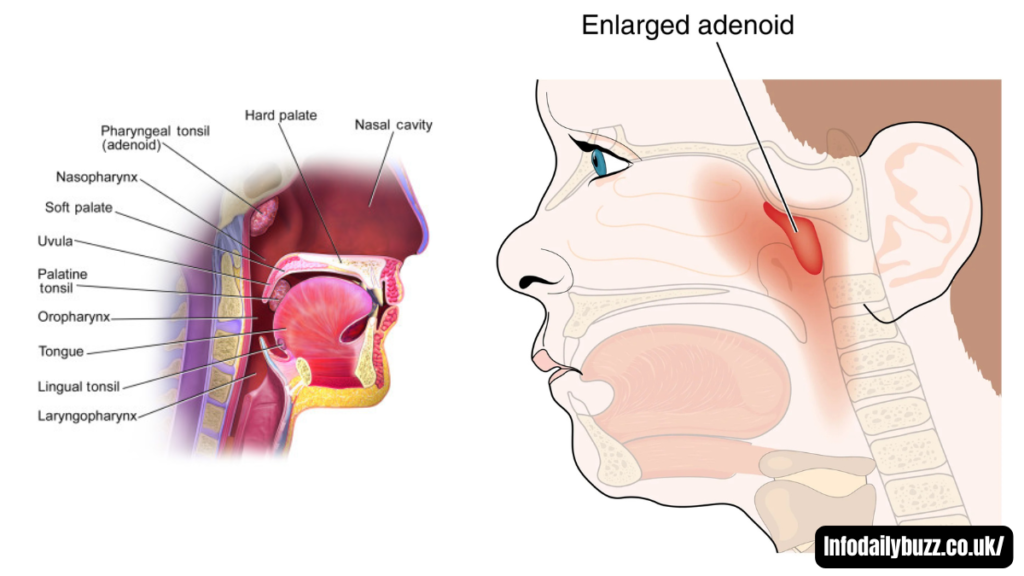
Adenoidid are a common yet often misunderstood health condition that affects both children and adults. These small masses of lymphoid tissue are located at the back of the nasal cavity and play an important role in helping the immune system fight infections. However, when they become enlarged or infected, they can lead to breathing problems, sleep disturbances, and recurring ear or throat infections.
Many people first learn about adenoidid when symptoms begin to interfere with daily life, especially in children. Because the adenoids are part of the body’s defense system during early childhood, they are more active in younger age groups, making them more prone to swelling and inflammation.
What are Adenoidid and Their Role in the Body
Adenoidid refer to the enlargement or inflammation of the adenoid tissue. These tissues act as a filter, trapping bacteria and viruses entering through the nose and mouth. While this function is helpful, frequent infections can cause the tissue to swell excessively.
When adenoidid become enlarged, they may block airflow through the nasal passages, leading to mouth breathing and sleep issues. This is why understanding their role is important for early detection and treatment.
Causes of Adenoidid Enlargement and Infection
Adenoidid can develop due to several factors, most commonly related to infections and immune responses. Since the adenoids are part of the body’s defense system, they are constantly exposed to viruses and bacteria, which can cause repeated inflammation.
Environmental and genetic factors also play a role in increasing the risk of adenoid enlargement. Children who are frequently exposed to smoke, pollution, or allergens are more likely to experience chronic swelling of the adenoids.
Infections and Immune Triggers
Viral and bacterial infections are the most common cause of adenoidid. Each time the body fights an infection, the adenoid tissue may swell, and repeated infections can lead to chronic enlargement.
Allergies, sinus infections, and respiratory illnesses can also trigger ongoing inflammation. Over time, this repeated immune response can cause persistent blockage and discomfort.
Environmental and Lifestyle Factors
Exposure to secondhand smoke, dust, and pollution can irritate the nasal passages and worsen adenoid swelling. These irritants make the immune system overactive, increasing the risk of chronic issues.
In some cases, family history and genetic predisposition may also contribute to enlarged adenoids. Children with weaker immune responses are especially vulnerable.
Symptoms of Adenoidid in Children and Adults
The symptoms of adenoidid vary depending on age and severity. In children, the condition often affects sleep, breathing, and hearing, while adults may experience chronic nasal congestion and throat discomfort.
Early detection is important because untreated adenoidid can lead to long-term complications, including sleep apnea and recurrent infections.
Common Symptoms in Children
Children with adenoidid often breathe through their mouth instead of their nose due to blocked nasal airways. This can lead to snoring, restless sleep, and difficulty concentrating during the day.
Frequent ear infections, nasal speech, and persistent runny nose are also common signs. These symptoms may affect a child’s growth, behavior, and school performance if left untreated.
Symptoms in Adults
In adults, adenoidid may present as chronic nasal blockage, sore throat, or difficulty breathing through the nose. Although less common, adult cases can still significantly affect quality of life.
Sleep disturbances, including snoring and mild sleep apnea, may also occur. Because symptoms can resemble sinus problems, proper diagnosis is essential.
Diagnosis of Adenoidid
Diagnosing adenoidid requires a careful medical evaluation, often performed by an ear, nose, and throat (ENT) specialist. Since the adenoids are not visible through a simple mouth examination, specialized tools are needed.
Early diagnosis helps prevent complications and ensures that treatment is effective. Doctors usually combine physical examination with imaging or endoscopic procedures.
Medical Examination and Testing
A common diagnostic method is nasal endoscopy, where a small camera is used to view the adenoid tissue. This allows doctors to assess size and inflammation directly.
In some cases, X-rays may be used to confirm enlargement. These tests help differentiate adenoidid from other conditions like sinus infections or allergies.
Importance of Accurate Diagnosis
Correct diagnosis is important because symptoms of adenoidid often overlap with other respiratory conditions. Misdiagnosis can delay proper treatment and worsen symptoms.
A thorough evaluation ensures that treatment is tailored to the patient’s condition, whether it involves medication or surgery.
Treatment Options for Adenoidid
Treatment for adenoidid depends on the severity of symptoms and the underlying cause. Mild cases may improve with medication, while severe or chronic cases may require surgical intervention.
The goal of treatment is to reduce inflammation, improve breathing, and prevent recurring infections.
Non-Surgical Treatments
Doctors often prescribe antibiotics if a bacterial infection is present. Allergy medications and nasal sprays can also help reduce inflammation and improve airflow.
In many mild cases, symptoms can be managed without surgery through regular monitoring and supportive care. This approach is often preferred for younger children.
Home Care and Symptom Relief
Steam inhalation, hydration, and maintaining good nasal hygiene can help relieve mild symptoms. Avoiding allergens and irritants also plays a key role in recovery.
While home remedies do not cure adenoidid, they can significantly improve comfort and support medical treatment.
Adenoid Surgery (Adenoidectomy)
When adenoidid become severe or persistent, surgery may be recommended. Adenoidectomy is a common and generally safe procedure used to remove enlarged adenoid tissue.
This surgery is usually performed when other treatments fail to provide relief or when complications such as sleep apnea occur.
When Surgery is Needed
Surgery is recommended when a patient experiences repeated infections, severe breathing difficulties, or chronic ear problems. It is especially common in children with long-term symptoms.
Doctors carefully evaluate the risks and benefits before suggesting surgery, ensuring it is the best option for the patient.
Procedure and Recovery
Adenoidectomy is typically performed under general anesthesia and takes a short time to complete. Patients can often go home the same day or after a brief observation period.
Recovery is usually quick, with most individuals returning to normal activities within a week. Mild discomfort is common but temporary.
Adenoidid in Children vs Adults
Adenoidid primarily affects children because their immune systems are still developing. As they grow older, the adenoids naturally shrink, reducing the likelihood of problems.
However, adults can still develop adenoid-related issues, especially if chronic infections or allergies are present.
Differences in Symptoms and Impact
Children often experience more severe symptoms such as sleep disturbances, hearing issues, and developmental delays. Adults, on the other hand, may have milder but persistent nasal problems.
The impact on children can be more significant due to effects on learning, behavior, and growth.
Long-Term Concerns
If untreated in children, adenoidid can lead to facial structure changes, chronic ear infections, and sleep disorders. In adults, prolonged symptoms can affect daily productivity and comfort.
Early intervention helps prevent these long-term complications.
Complications and Prevention of Adenoidid
If left untreated, adenoidid can lead to several complications that affect breathing, hearing, and overall quality of life. Chronic infections and sleep disorders are among the most common issues.
Preventive measures can significantly reduce the risk and severity of symptoms.
Possible Complications
Untreated adenoidid may cause chronic ear infections due to blocked Eustachian tubes. This can sometimes lead to temporary hearing loss in children.
Sleep apnea, sinus infections, and speech difficulties are also possible long-term complications.
Prevention Strategies
Maintaining good hygiene and reducing exposure to allergens can help prevent adenoid problems. A healthy diet and strong immune system also support respiratory health.
Early treatment of infections and regular medical checkups are essential for prevention.
Conclusion
Adenoidid is a condition that can significantly affect breathing, sleep, and overall health if not properly managed. While it is most common in children, adults can also experience symptoms that require attention.
With early diagnosis and appropriate treatment, including medication or surgery when necessary, most patients recover well and return to normal life. Understanding the symptoms and seeking timely medical advice is key to preventing complications.
FAQs About Adenoidid
What are adenoidid and why do they occur?
Adenoidid refer to the inflammation or enlargement of adenoid tissue, usually caused by repeated infections or allergies.
Can adenoidid go away without surgery?
Yes, mild cases may improve with medication and time, especially as children grow older and adenoids shrink naturally.
What are the first signs of adenoidid?
Common early signs include mouth breathing, snoring, nasal blockage, and frequent ear infections.
Is adenoid surgery safe for children?
Yes, adenoidectomy is a routine and generally safe procedure with a quick recovery time.
What happens if adenoidid are not treated?
Untreated cases can lead to chronic infections, sleep problems, hearing issues, and developmental concerns in children.